
Signal-Permeable Glass Treatment in Luxembourg — WiFi, 5G and Radio Signals
Vitralux restores the transparency of glazing already in place to WiFi, 4G, 5G and radio signals — with no glass replacement and no loss of thermal performance.
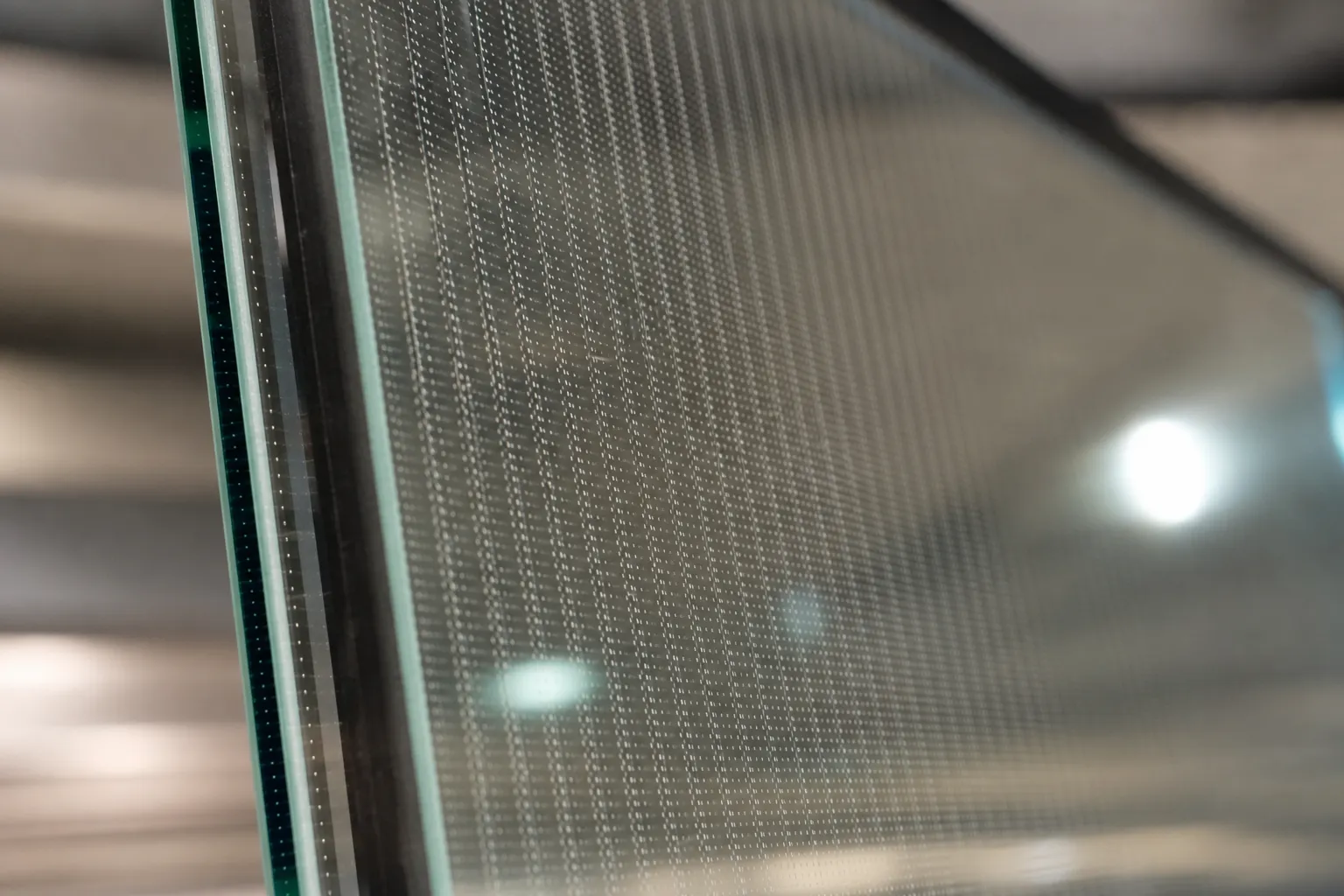
When the glazing blocks the signal
High thermal performance glazing carries microscopic metal coatings which, in blocking radiant heat, also block electromagnetic signals: WiFi, 4G, 5G, Bluetooth and radio frequencies.
Vitralux offers a specific treatment that restores or guarantees the permeability of glazing already in place, without degrading its thermal performance or its appearance.
High-performance glazing blocks the signal
Low-E coated glass and solar control glass carry evaporated metal layers a few nanometres thick. Those layers reflect infrared radiation (heat), but they also heavily attenuate electromagnetic signals: attenuation can reach 20 to 40 dB depending on the type of coating, which means a loss of up to 99% of the signal strength.
This is rarely anticipated when a building is designed, and it creates dead zones inside glazed spaces: occupants lose their 4G or 5G signal standing in front of a picture window, WiFi systems keep adding access points without solving the problem, and connected medical or industrial equipment can fail.
Common symptoms
- 4G/5G signal dropping out in front of windows and picture windows
- Weak or non-existent WiFi near the façades, even with plenty of access points
- Connected medical or industrial equipment that fails to work reliably
- Poor or dropped phone calls in glazed spaces
The buildings worst affected
- Head offices and office buildings with a glass façade
- Upmarket hotels with picture windows in the rooms
- Hospitals and clinics running connected medical devices
- Shopping centres and airports with large glazed areas
- European institutions and Luxembourg government departments
Signal-permeable treatment: working on the glass in place
The solution Vitralux offers calls for no replacement of the existing glazing. It is a specific treatment applied directly to the glass in place, which alters the electromagnetic properties of the metal coating without touching the appearance of the glazing or its main thermal performance. The work is carried out on site, in a building that stays open, with minimal disruption.
| Situation | The Vitralux solution |
|---|---|
| New building at design stage | Specifying signal-permeable glazing from the design phase onwards. Vitralux advises architects and clients on the choice and treatment of the glazing. |
| Existing building with dead zones | The treatment applied to the glazing in place in the areas identified as problematic. Feasibility study and bespoke works. |
| Partial façade refurbishment | The treatment built into a wider refurbishment programme, alongside other works. |
| Targeted priority areas | Treatment limited to the most critical zones: meeting rooms, executive floors, reception halls, hotel rooms, medical wings. |
A technical study for every project
Every project starts with a technical study: target frequencies, the areas to be treated and the performance expected are all set out individually, on the basis of a survey carried out in the building.
Why this service matters in Luxembourg
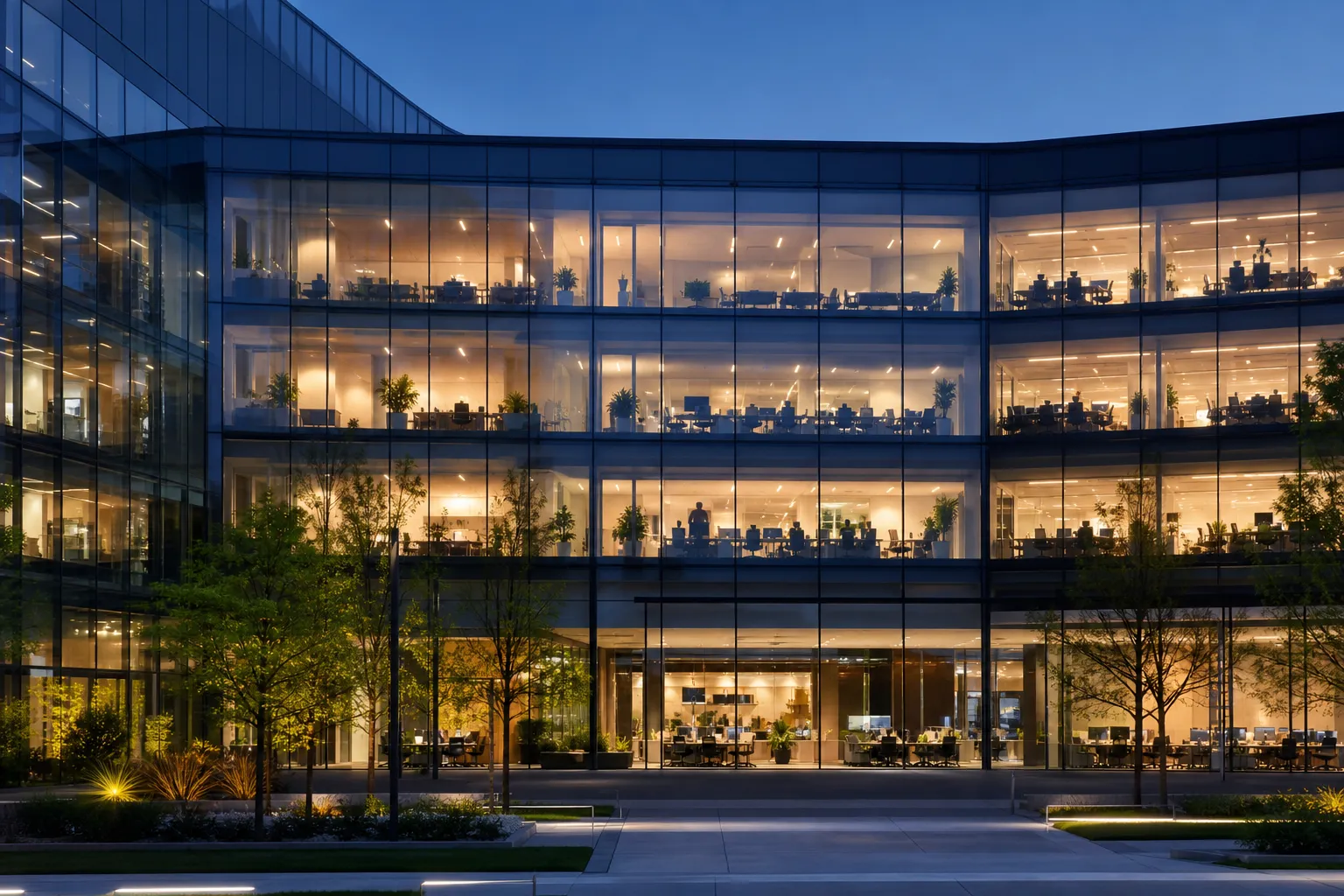
Luxembourg is home to one of the highest concentrations of international head offices, European institutions and financial centres anywhere in the world. Those organisations are almost always housed in contemporary buildings with glass façades, where wireless connectivity is business-critical.
Head offices
Reliable 5G coverage across every glazed working area.
Hotels & conference centres
Strong WiFi in every bedroom and conference room.
Hospitals & clinics
Connected medical equipment with no interference and no dead zone.
Clients, facility managers, IT managers, architects
This service is aimed above all at clients, facility managers, IT managers and architects. It can be built into an overall refurbishment tender or commissioned on its own. Vitralux can carry out a preliminary survey and present a detailed costing area by area — alongside our expertise in glass façades and large-format glazing.
Frequently asked questions about the signal-permeable treatment
No. The signal-permeable treatment is designed to act specifically on the electromagnetic transmission of the metal coatings, without altering how they reflect heat. The thermal transmittance (Ug) and the solar factor (g) of the glazing are unchanged after treatment.
No. The treatment leaves the appearance of the glazing untouched: neither its transparency, nor its tint, nor its light reflectance changes. The building looks architecturally exactly as it did before the work.
No. The treatment is applied on site, pane by pane, with nothing taken out. The work can be planned area by area, outside the busiest hours. Disruption to the running of the building is minimal.
The treatment is effective on the frequencies used by WiFi networks (2.4 GHz and 5 GHz), on 4G and 5G mobile networks and on standard radio frequencies. Every project starts with a technical study that sets the target frequencies and the performance expected once the treatment is done.
Is your glazed building suffering from connectivity problems?
Free preliminary survey • On-site treatment with no glass replacement • A bespoke solution for large buildings.
Other treatments and services for buildings: UV protection · Heated glass & anti-condensation · Glass façades