Stained Glass Restoration in Luxembourg — Brass, Lead Came and the St. François Cloister Diamond
Since 1865, Vitralux has looked after Luxembourg's heritage in glass. Repairing brass and lead came panels, restoring cloister diamond quarries, retrofitting insulating glass with Fineo: craft techniques handed down from one generation to the next, in the service of exceptional buildings.
A craft kept alive since 1865
Vitralux Bradtke has been a master glazier in Luxembourg since 1865. Restoring stained glass and historic panels has been part of our DNA from the very beginning. We work on listed monuments, churches, manor houses and institutional buildings that want to keep their heritage in glass.
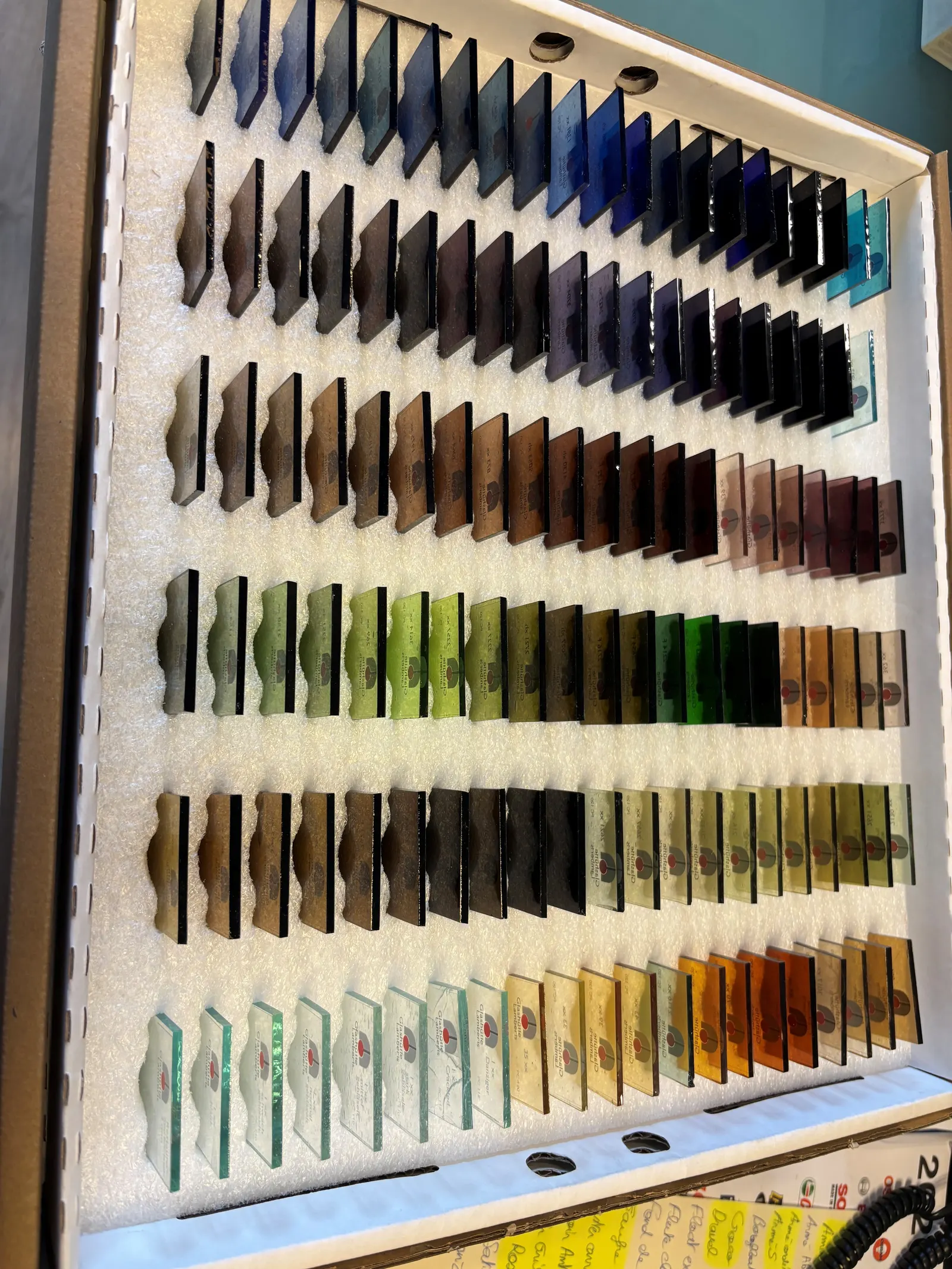
Stained glass restoration is one of the rarest skills in the glazier's trade. It calls for a knowledge of historic techniques, a command of old materials (brass, lead, antique mouth-blown and cathedral glass) and the ability to reproduce assemblies that are sometimes several centuries old. We work on stained glass of every kind: church and chapel windows, decorative panels in manor houses, diamond-quarry windows in cloisters and historic buildings, and Art Nouveau, Art Deco and Gothic Revival glass. Every job starts with a detailed survey of the condition of the panel and a proposal matched to what we find.
Repairing brass and lead came panels
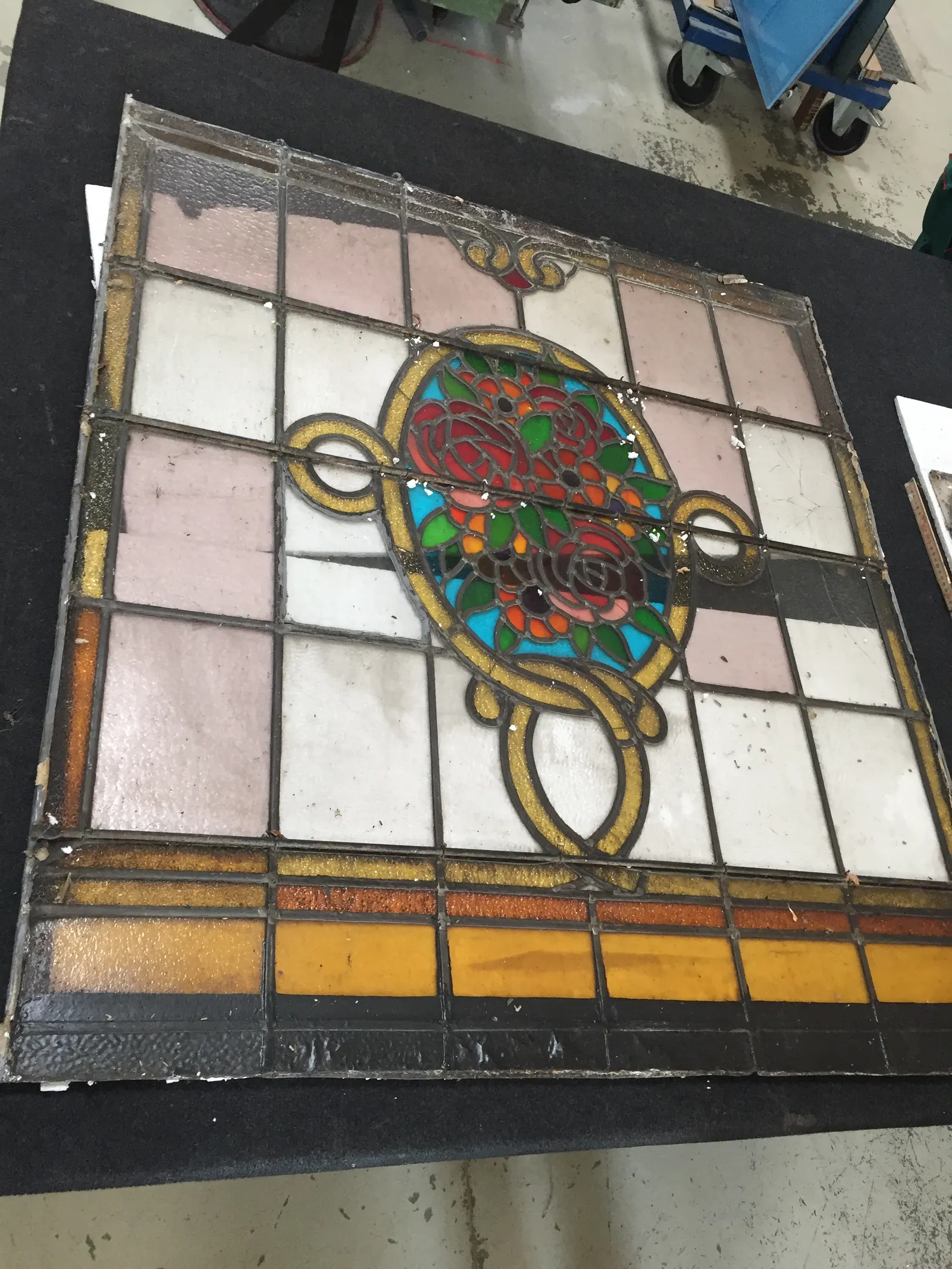
A traditional stained glass panel is made of pieces of glass held together by lead or brass came: the network of came forms both the structure of the panel and the design you see when the light comes through. Over time the solder joints fail, the lead grows tired, the glass cracks or breaks, and the panel loses its stiffness and its weathertightness.
Careful removal of the panel and transport to the Vitralux workshop
Cleaning and photographic recording of the original condition
Partial or complete stripping of the came, depending on its condition
Broken or missing glass replaced with antique glass or mouth-blown glass of the same character
Re-leading with came profiles identical to the original
Soldering and traditional cementing
Refitting and bracing in the opening
Lead came restoration with insulating glass: heritage and comfort
Historic buildings with stained glass are usually poorly insulated: even perfectly restored panels are still single glazing, and they insulate next to nothing. The obvious answer — putting a double-glazed unit in front of the panel — risks changing the way it looks and creating condensation between the two layers. Vitralux has mastered the technique of pairing lead came panels with an insulating layer: the restored panel is built into a system that creates a sealed air gap between the stained glass and a protective outer pane. The result combines the beauty of the historic glass seen from inside with the thermal and acoustic performance of double glazing.
| Principle | The restored stained glass panel goes on the inside. A protective pane (clear glass) goes on the outside. A sealed air gap between the two improves the insulation. |
|---|---|
| Benefits | Significantly better thermal and acoustic insulation. The stained glass is protected from impacts and from the weather. A longer service life. |
| Heritage compliance | On listed buildings, the technique preserves the visual integrity of the original glass seen from inside. The protective outer pane is discreet and reversible. |
| Protective glazing | Clear or extra-clear glass for maximum light transmission. UV-protective glass is available to protect old pigments. |
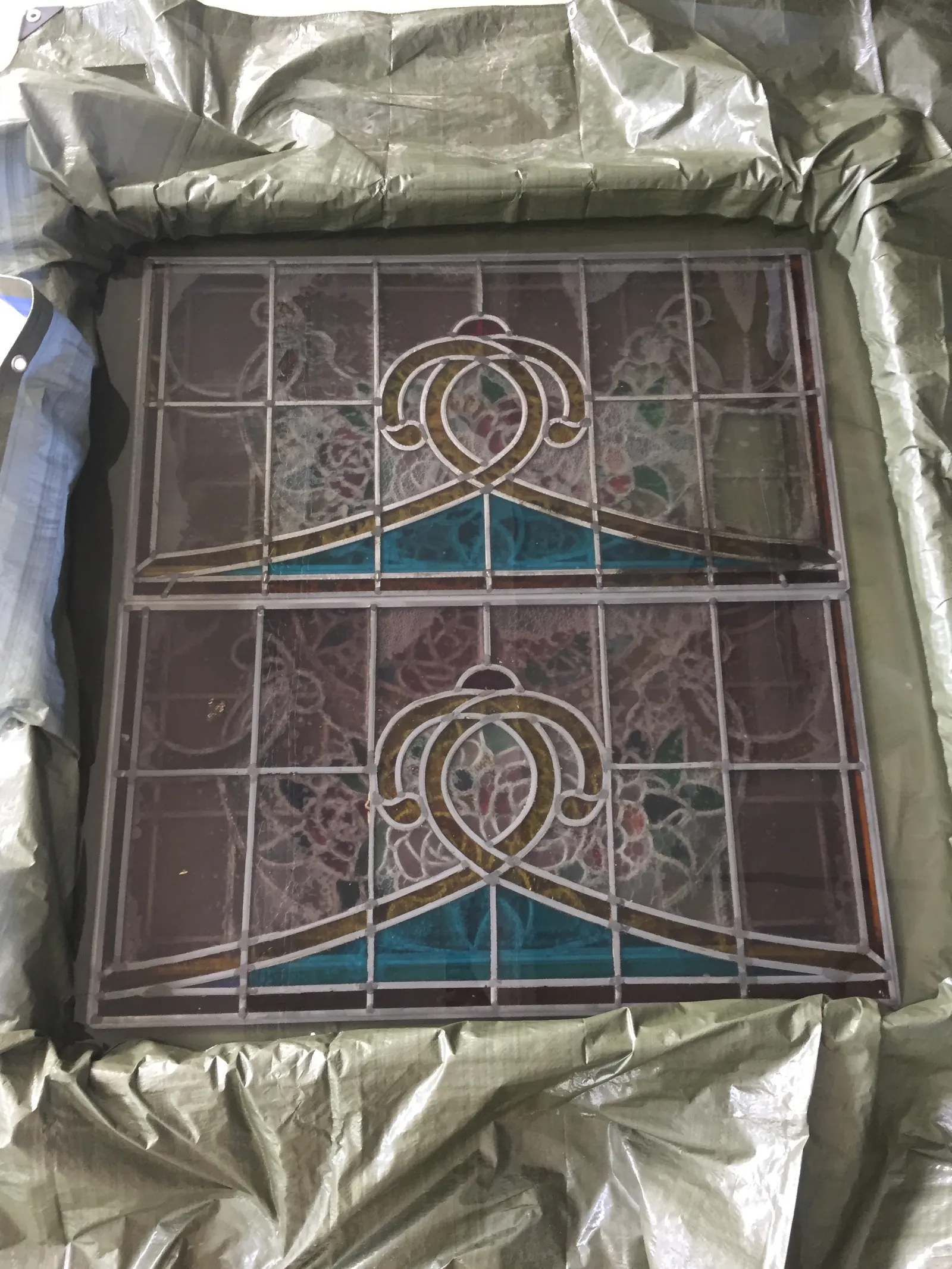
The St. François Cloister Diamond technique: the diamond-quarry window restored exactly as it was
The diamond-quarry window is one of the most widespread forms of decorative glazing in European architecture from the Middle Ages and the Renaissance: small diamond-shaped quarries of glass set in a network of lead or brass came. The cloister of St. François in Luxembourg is one of the country's reference examples of this kind of glazing.
Restoring a diamond-quarry panel exactly as it was calls for:
- Cutting the glass quarries precisely to the exact dimensions of the original: in old glazing the quarries are not all identical
- Choosing the right glass: mouth-blown glass (bullions, cathedral glass) or ordinary glass, depending on the level of historical accuracy required
- Re-leading with came of the diamond profile (a specific H-section)
- Traditional soldering at every intersection of the came
- Wrought-iron saddle bars if the original panel had them
- Refitting into the original opening with the appropriate fixings
The St. François cloister — today the Cercle Municipal in Luxembourg City — is an architectural and heritage landmark of the country. Vitralux has carried out restoration work on its historic glazing.
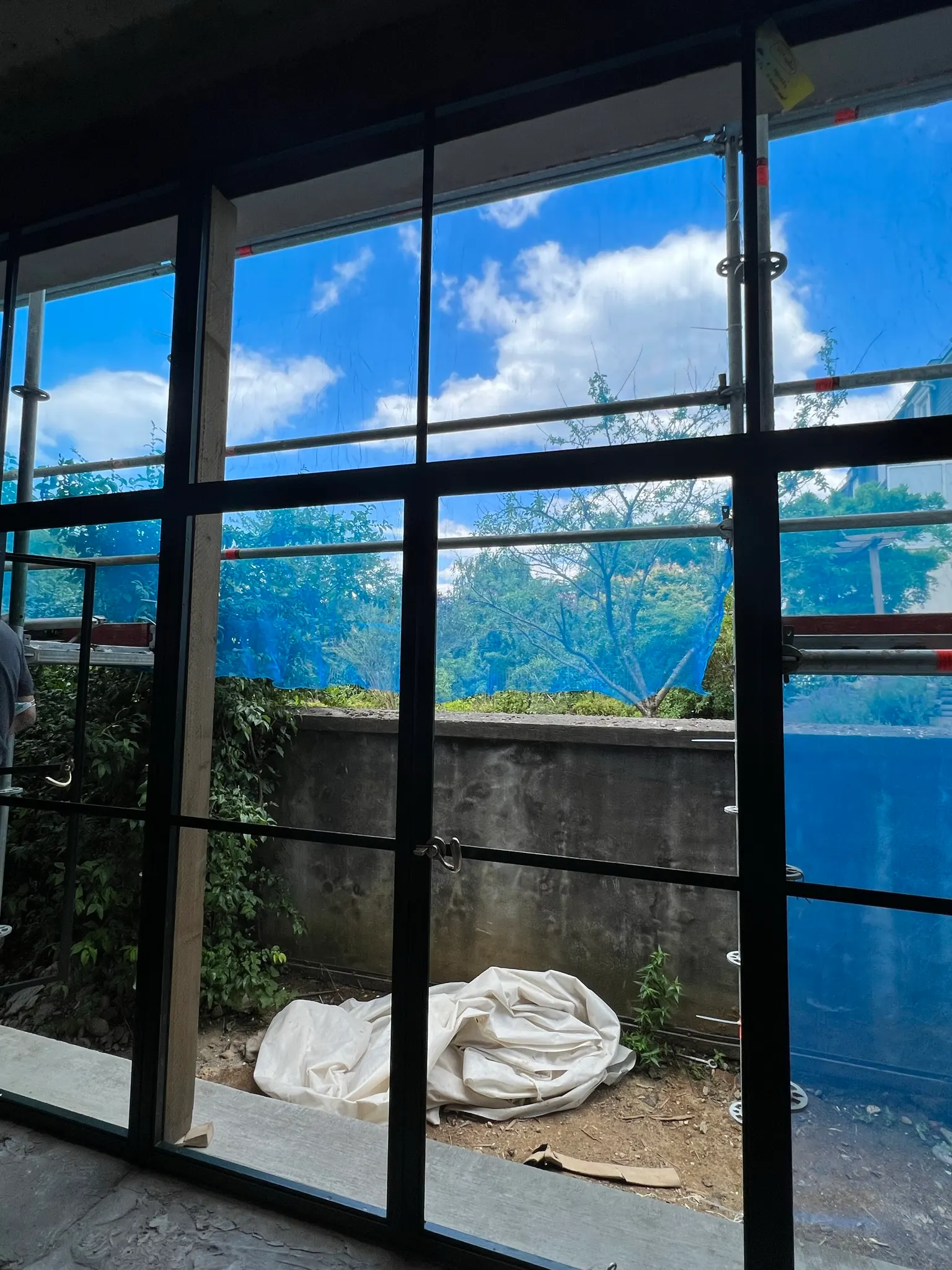
Fineo glass: the performance of double glazing in the thickness of a single pane
Fineo is an ultra-thin vacuum glazing developed by AGC Glass: two panes of glass separated by an almost complete vacuum held open by tiny ceramic pillars. Since a vacuum is the best insulator there is, Fineo delivers the thermal performance of triple glazing in a total thickness of only 8 to 9 mm.
| Overall thickness | 8.3 mm — the thickness of an 8 mm single pane |
|---|---|
| U-value (Ug) | Ug = 0.7 W/m²K — the equal of standard triple glazing |
| Technology | An almost complete vacuum — 0.5 mm ceramic pillars |
| Manufacturer | AGC Glass Europe — Fineo glass |
| Use in restoration | Replacing single glazing in an old frame without altering the frame itself |
| Key benefit | The thermal performance of double or triple glazing in the thickness of a single pane |
Why is Fineo ideal for heritage restoration?
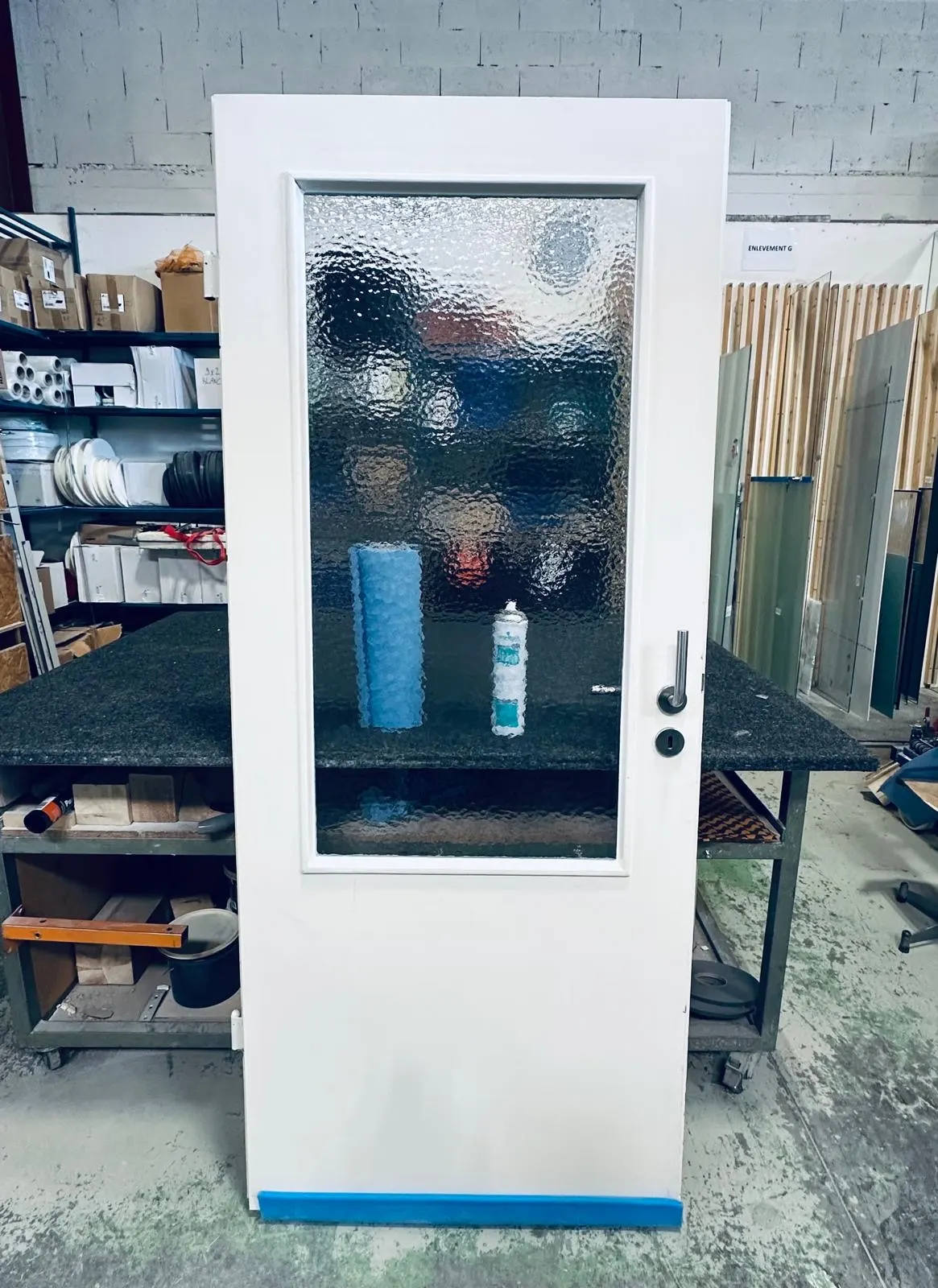
In historic buildings, the window frames have narrow rebates designed to take single glazing of 3 to 5 mm. Fitting standard double glazing (20 to 28 mm) into them is generally impossible without altering the frame, which is often forbidden or very expensive on a listed building. Fineo solves the problem: at 8.3 mm thick, it goes into a rebate designed for an 8 mm single pane, with no change to the frame at all. The building keeps its authentic appearance and gains a considerable amount of thermal performance.
- An existing rebate designed for single glazing: Fineo fits with no alteration
- A listed or protected building: no structural change needed
- A cut in heat loss equivalent to installing triple glazing
- Suitable for flat glazing and for restored stained glass with a protective pane
Stained glass restoration at work
Frequently asked questions about stained glass restoration
Yes. Vitralux works on buildings that are listed and scheduled in the Luxembourg heritage register. Restoration work on listed monuments requires the approval of the Service des Sites et Monuments Nationaux (SSMN), the national heritage authority, and has to respect the principles of reversibility and of the integrity of the monument. Vitralux knows these constraints and builds them into its proposals.
The lead in old stained glass is stable lead oxide: it is not dangerous under normal conditions. It becomes so during stripping work, which generates dust. Vitralux follows the health and safety rules specific to working with lead on every restoration job.
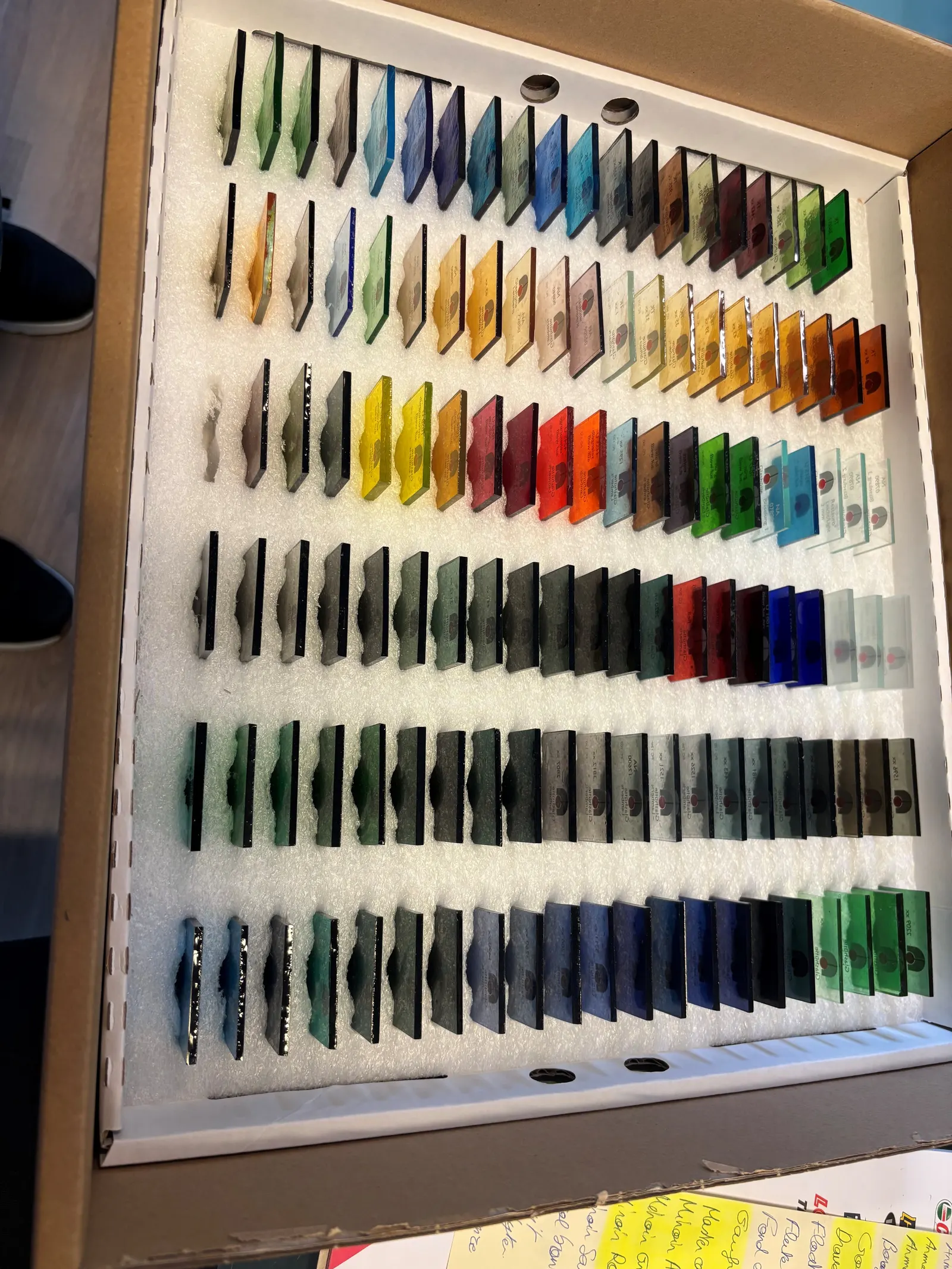
For high-fidelity restorations, antique mouth-blown glass or reproductions of historic glass (mouth-blown cathedral glass, bullions, crown glass roundels) are available from specialist suppliers across Europe. For everyday restorations, a standard cathedral glass in a close colour is generally enough and gives a result that looks right. Vitralux advises on the level of fidelity each project calls for.
Fineo suits windows whose rebate can take a thickness of 8 to 9 mm. If the original rebate was designed for 3 or 4 mm glazing, a slight adaptation of the frame may be needed. Vitralux assesses the feasibility during the technical visit. For windows with glazing bars (diamond-quarry glazing), a lead came panel plus a protective pane is sometimes the better answer.
Trust your heritage in glass to Vitralux — master glazier since 1865
Survey, quote and execution: book an appointment with our restoration team.