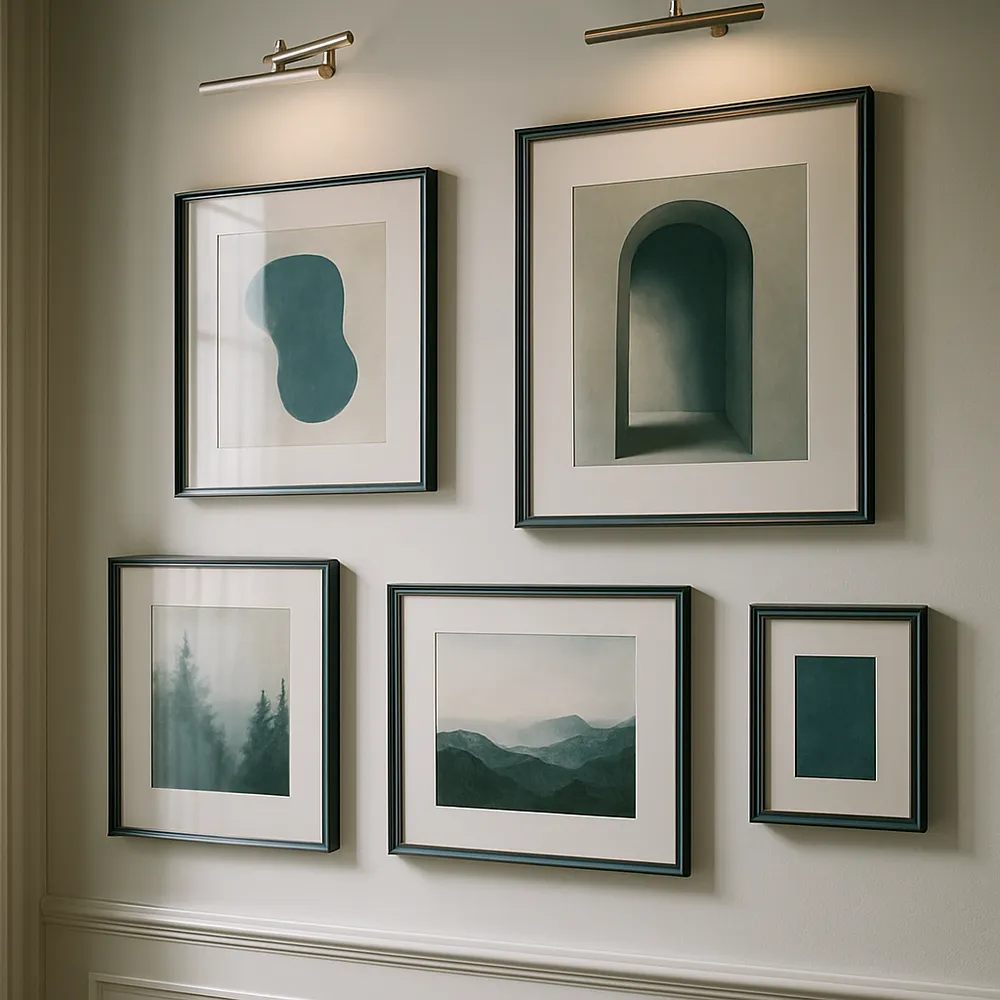
Bespoke Picture Framing in Luxembourg — the Bradtke department since 1865
Showing a work of art at its best also means protecting it and choosing a frame that belongs to it. For over a century the Bradtke framing department has offered bespoke picture framing in Luxembourg: advice given in person, a complete range of mouldings and glasses, and the restoration of antique frames done properly.
The Bradtke framing department — over a century of expertise
Framing has belonged to the glazier's trade from the start: glass and frame have always been put together in the same workshops. At Vitralux Bradtke, the framing department has been running without a break since the firm was founded in 1865. A century of experience shows in a complete command of framing technique — from the most classical to the most contemporary — and in an eye trained on Luxembourg and European collections.
Which framing technique suits your work?
Every project is made to measure, with advice given in person. Encadrement Bradtke works across a wide range of framing techniques, all of them meant to protect your work and show it at its best. From the classic mount to the contemporary tray frame, each piece calls for its own approach.
Framing with a mount & a slip
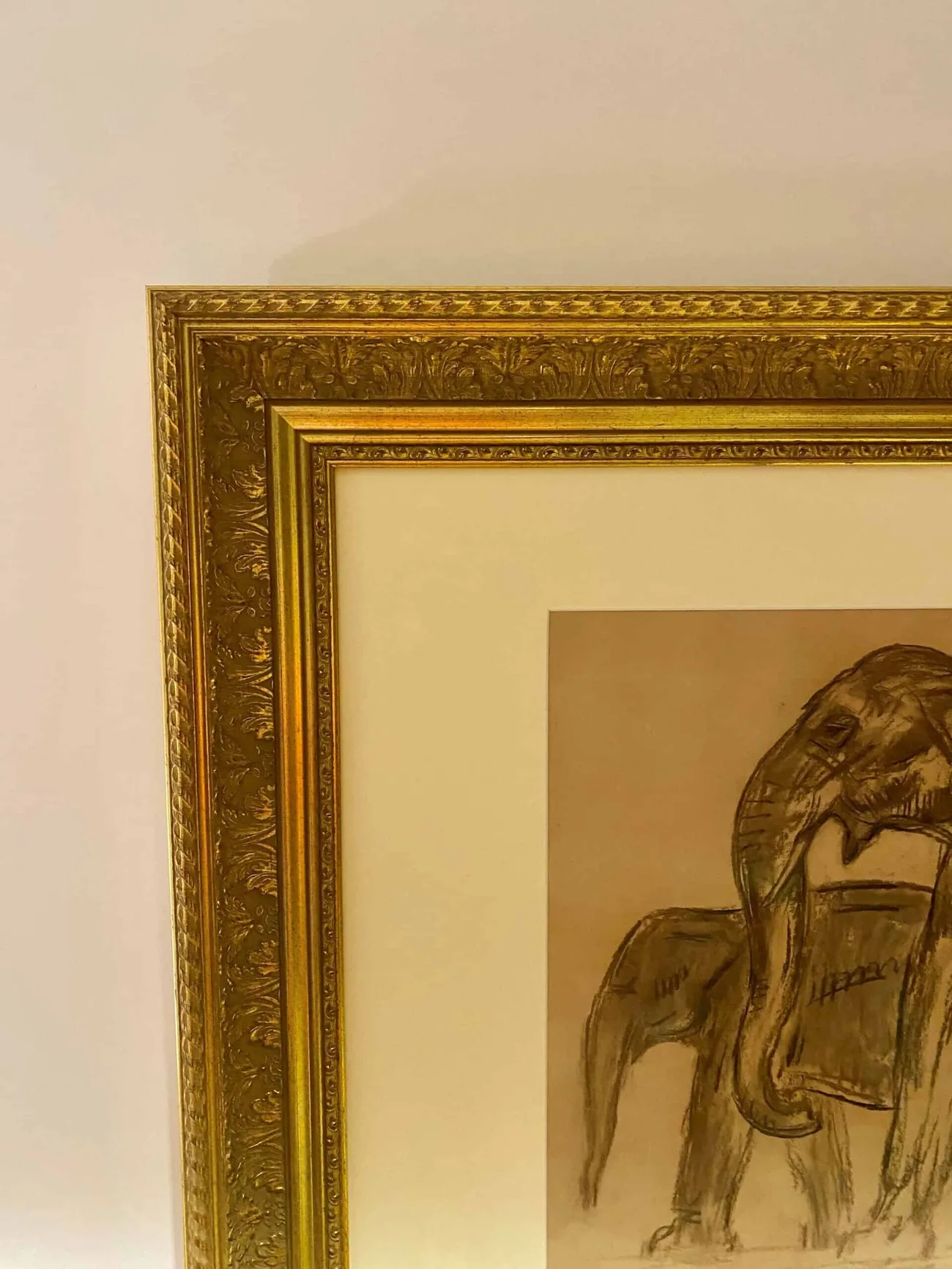
A mount is a thick board cut to measure and laid over a work of art or a reproduction. The work is then assembled behind plain or anti-reflective glass and set into the frame of your choice.
Its first job is to hold the work away from the protective glass. But the mount also does decorative work: it separates the piece from the frame around it and puts it at the centre of attention. The inner edges of the board are usually cut on a bevel. The board is generally a pale colour, though a stronger tone can be chosen to pick up a colour in the work — an effect you also get from a two-tone mount, where the second colour shows in the bevel.
The slip — also known by its French name, marie-louise — is an inner frame that sits between a framed work, usually unglazed, and the frame proper. Its role is to make the transition between the two. Made from timber or a composite in neutral, pale tones, it can also be covered in linen or painted. Its inner edge can be painted or gilded to bring brightness and life to the work on show.
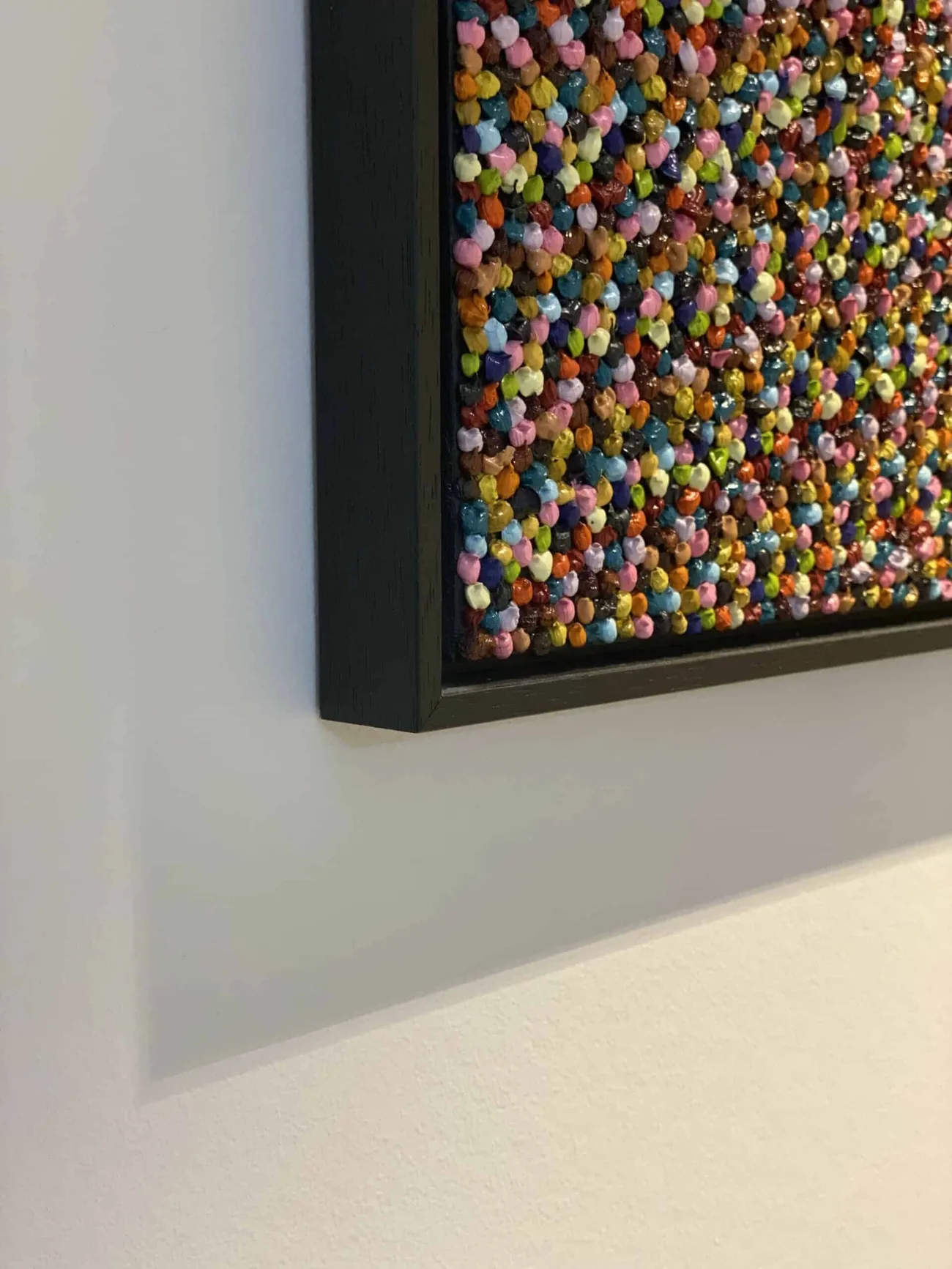
Talk to us about this type of framingCanvas in a tray frame
A tray frame is a frame assembled with angle brackets into which the painting is set. The work looks as though it has been placed in a case: nothing covers it, it is simply bounded by the frame around it, and the gap left around it gives it depth.
Because a tray frame has no rebate to take a sheet of glass, it is not intended for photographs or posters. It is the technique of choice for timber panels, Alucobond panels with printed photographs, canvases stretched over a stretcher, and any other work with a certain thickness and rigidity.
Talk to us about this type of framing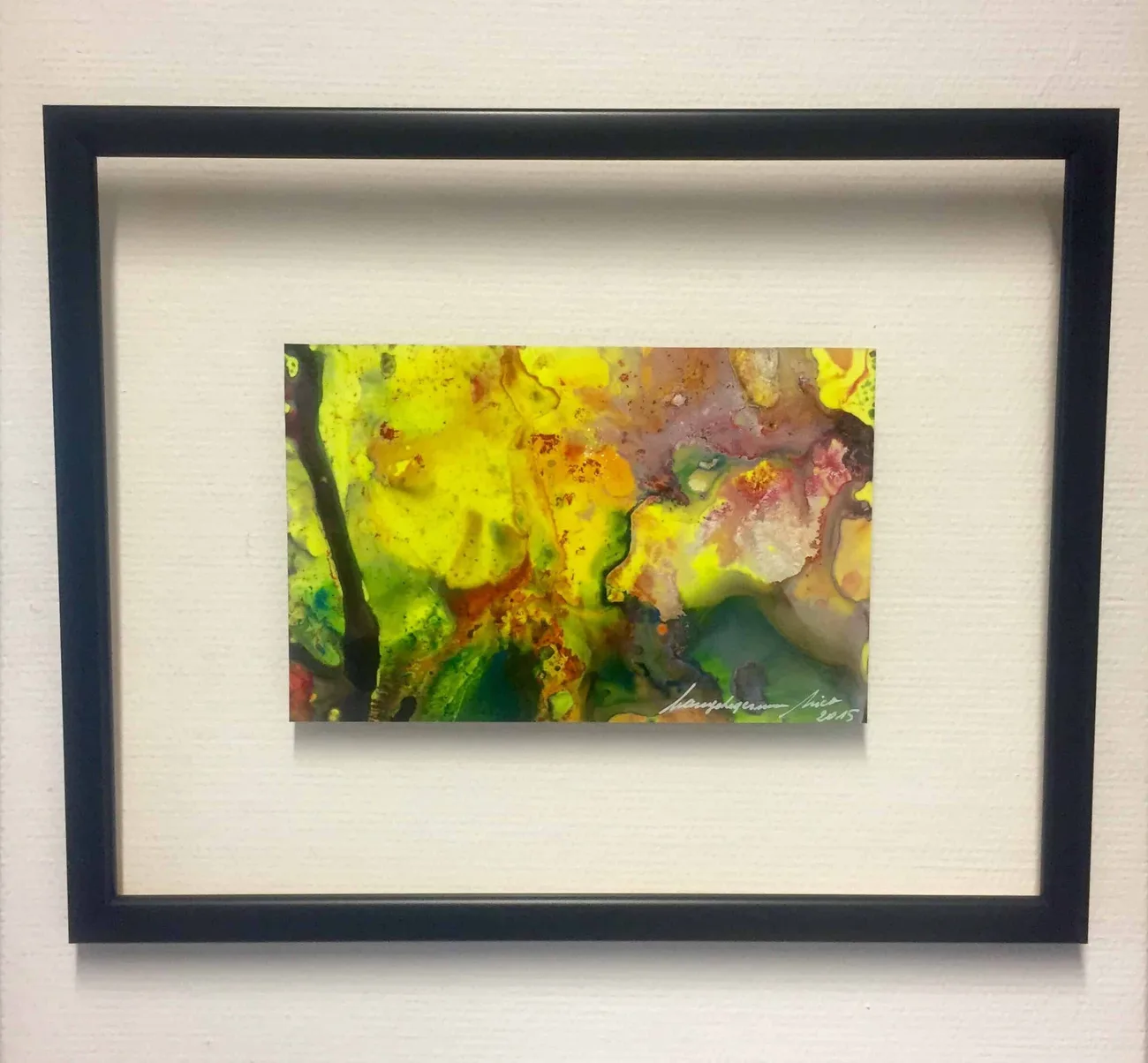
Framing between two sheets of glass
Framing between two sheets of glass means placing a work or a photograph between two panes. Because the area around the piece stays transparent, the technique puts the work at the centre of attention and makes it appear to float.
For this technique our framers recommend matt photographic prints only, and anti-reflective glass.
Talk to us about this type of framing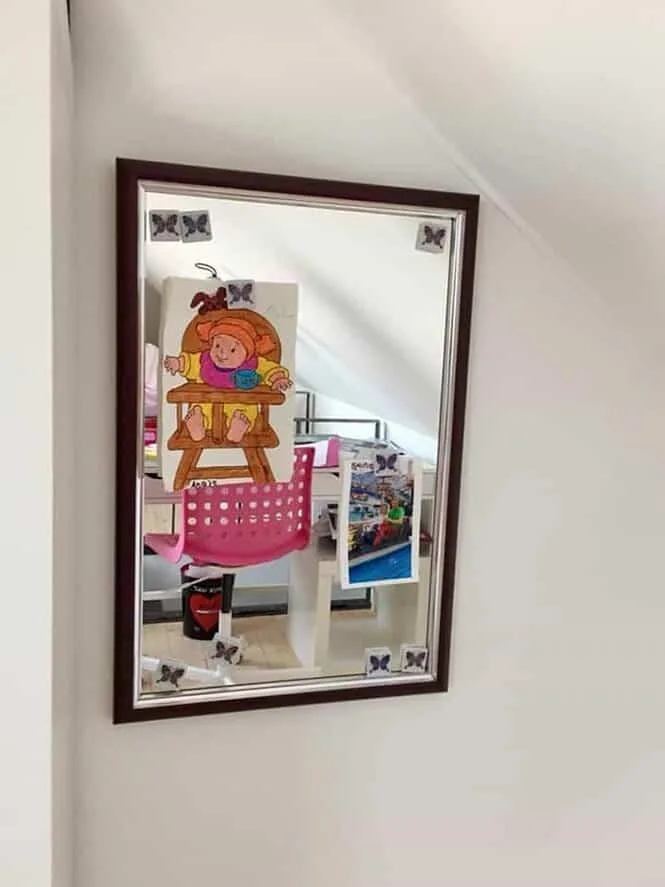
Box framing — the display frame
Box framing — sometimes called display framing — uses a deep frame with a spacer fixed into its sides. That spacer, usually in the same tone as the frame, is what sets the depth of the whole assembly.
The technique will take almost any object. Among the bulkier pieces are medals, butterflies, knitwear and items of clothing. It works equally well for photographs and other flat objects, with or without a mount.
Talk to us about this type of framingProtective glasses: clear, anti-reflective, UV-protective or museum
The glass decides how well a work reads and how well it survives. Four families of glass are held in the workshop, cut to the exact size of each frame.
| Standard clear glass | The usual choice. Transparent enough for most everyday framing. |
|---|---|
| Anti-reflective glass | Cuts reflections and makes the work easier to read in bright rooms. Recommended for matt photographic prints and for framing between two sheets of glass. |
| UV-protective glass | Filters the ultraviolet radiation that breaks down pigments and papers over time. Essential for valuable works and for anything hung in strong daylight. |
| Museum glass (anti-reflective + UV-protective) | Maximum protection: all but invisible, no reflection, optimal UV protection. The standard in museums and galleries. |
Hanging and installation — the sixth service
The Bradtke framing department rounds off its service by delivering and hanging your work. Our specialists come to your home or your office and hang your pieces properly: the right hanging system for the weight and the wall, precise alignment, and advice on lighting where it is needed.
- Delivery and hanging for private customers and businesses anywhere in Luxembourg
- Hanging systems matched to the weight, from a light picture to an XXL format
- Precise alignment and advice on lighting where needed
- A specialist team for moving fragile or valuable pictures
Repair and restoration of antique and valuable frames
A damaged antique frame, flaking gilding, a frame whose glass is broken or yellowed: the Bradtke framing department takes on the repair and restoration of frames of every kind. We work on gilded timber frames, lacquered frames, carved frames and frames of genuine heritage value.
| Repair of broken frames | Re-gluing, strengthening corner joints, replacing missing elements. |
|---|---|
| Restoration of gilding | Retouching or fully renewing gold leaf gilding or painted gilding. |
| Glass replacement | Cutting the replacement glass to the exact size and refitting it into the existing frame. |
| Cleaning and renovation | Cleaning the frame, consolidating the gesso ground, final retouching. |
For the restoration of historic glazed panels, see also our stained glass restoration service.
More Vitralux skills around artwork and objects
Frequently asked questions about picture framing
For a valuable work, museum glass (anti-reflective plus UV-protective) is the benchmark: it is all but invisible, it removes reflections and it protects the pigments from the UV that breaks them down over time. For an everyday work or a decorative photograph, standard anti-reflective glass is enough. Our specialists will advise you when you visit the showroom.
Yes. The Bradtke framing department restores antique frames of any size. Bring your frame to the showroom for a free assessment of its condition and a quotation for the restoration. For valuable or fragile frames, we can arrange for our team to come to you.
A tray frame is ideal for canvases on stretchers, timber panels, printed Alucobond panels and works in relief. It does not suit works on paper — photographs, drawings, prints — because it has no rebate to take protective glass. For those, framing with a mount and glass is the right answer.
Yes, using box framing (the display frame): a deep frame with a spacer in its sides that creates the depth you need. Medals, decorations, butterflies, clothing, collectors' pieces — almost anything can be framed this way. Bring the object in and show us, so we can work out the depth required.
Our bespoke framing in pictures
Artists' work, posters, drawings and small formats: a look at the framing that comes out of our Luxembourg workshops.
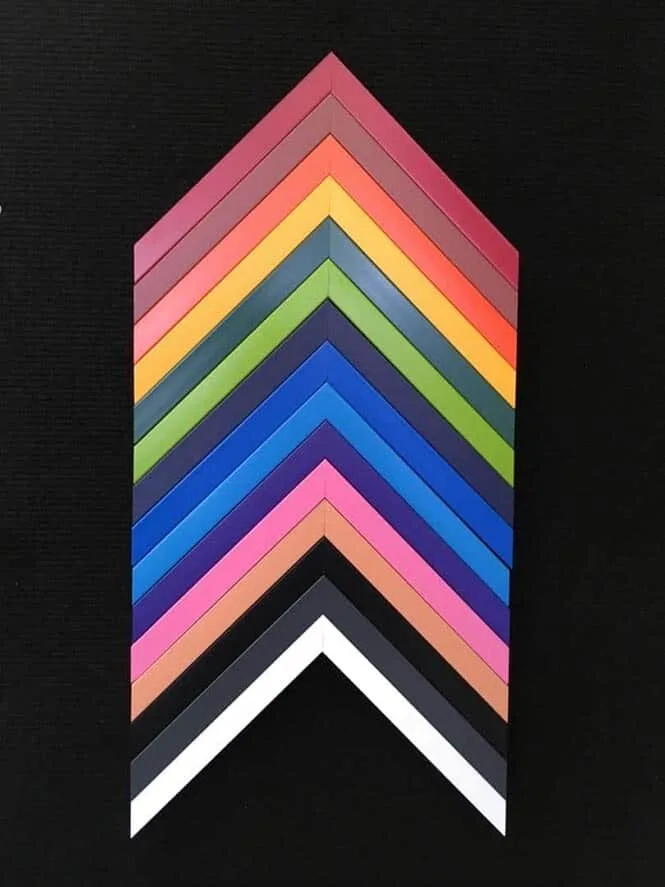
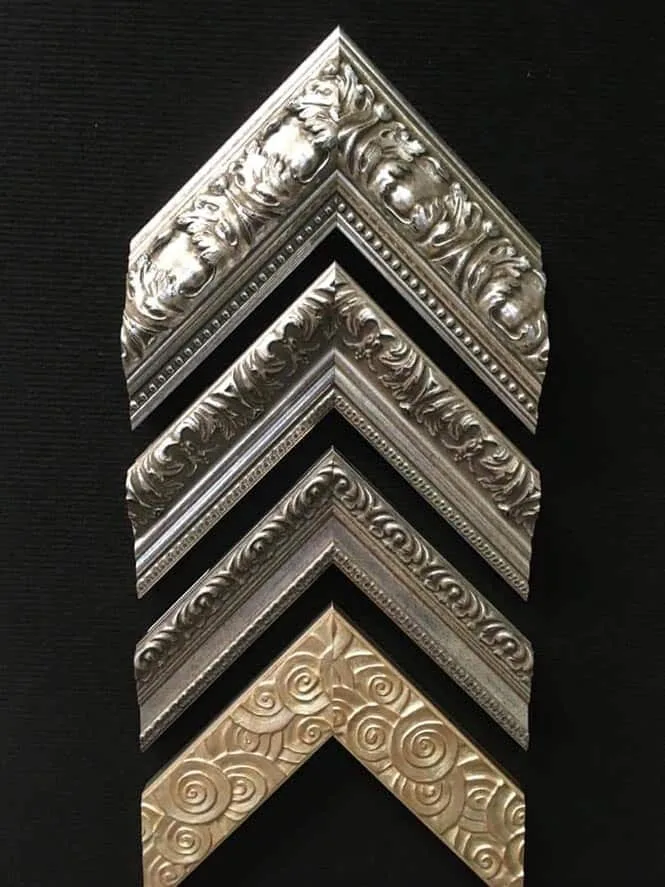
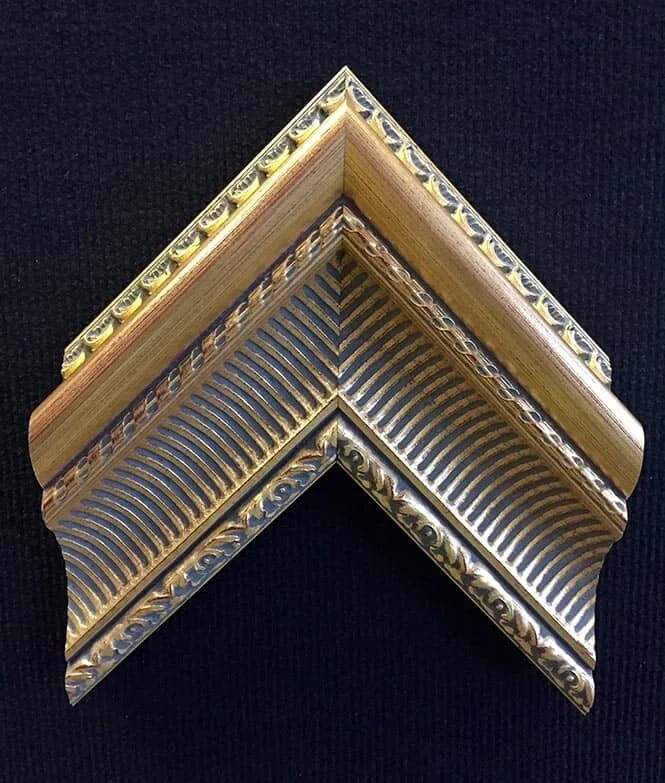
Mouldings, profiles and mounts
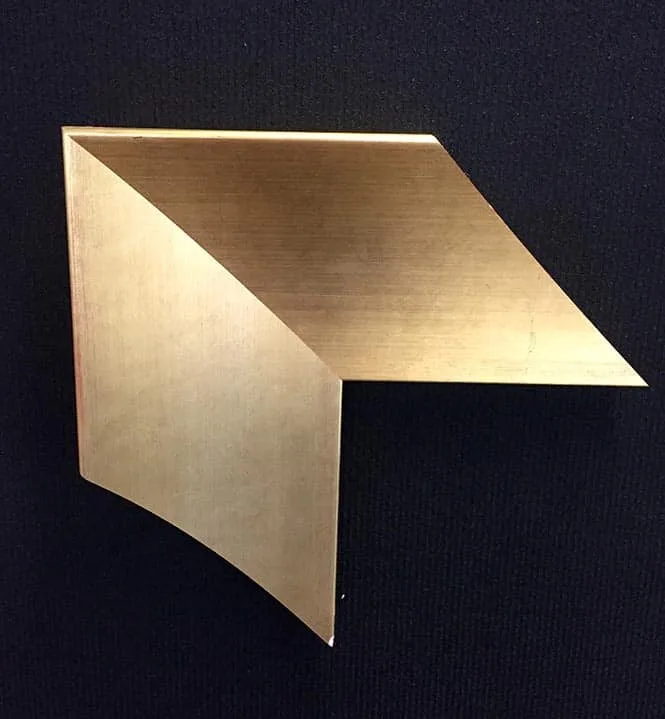
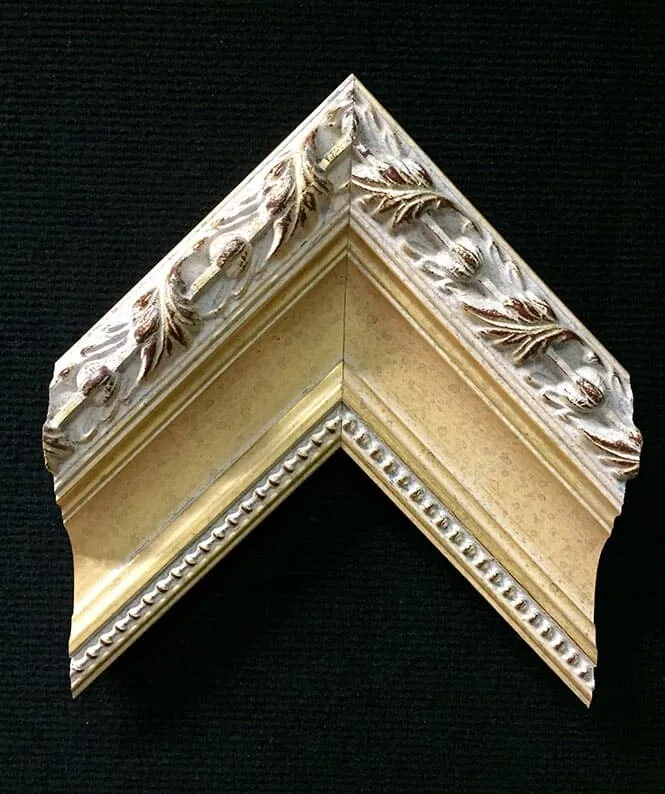
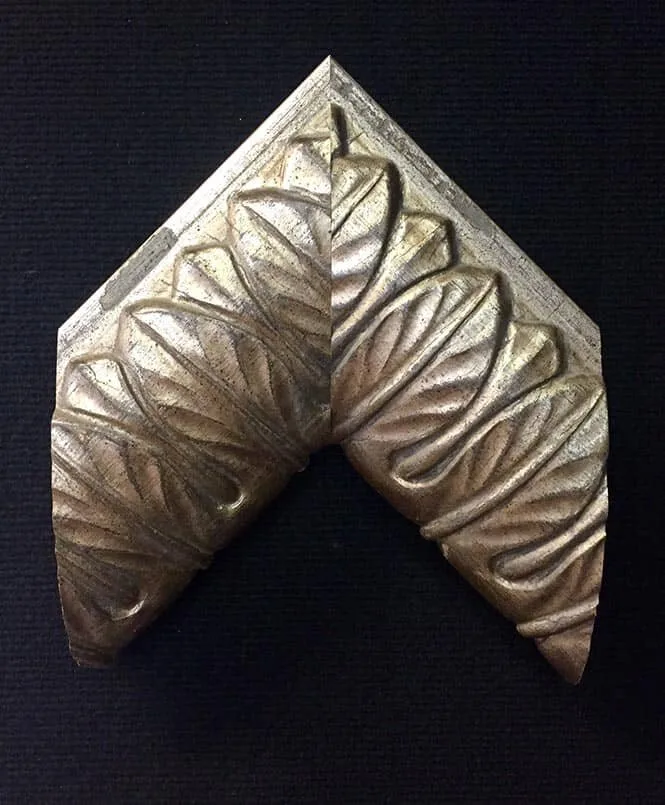
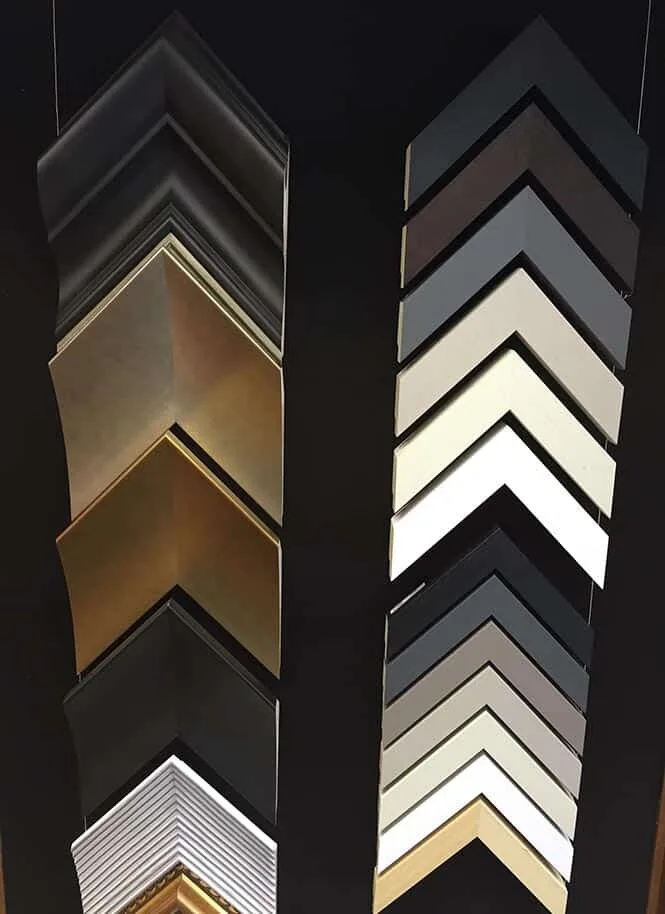
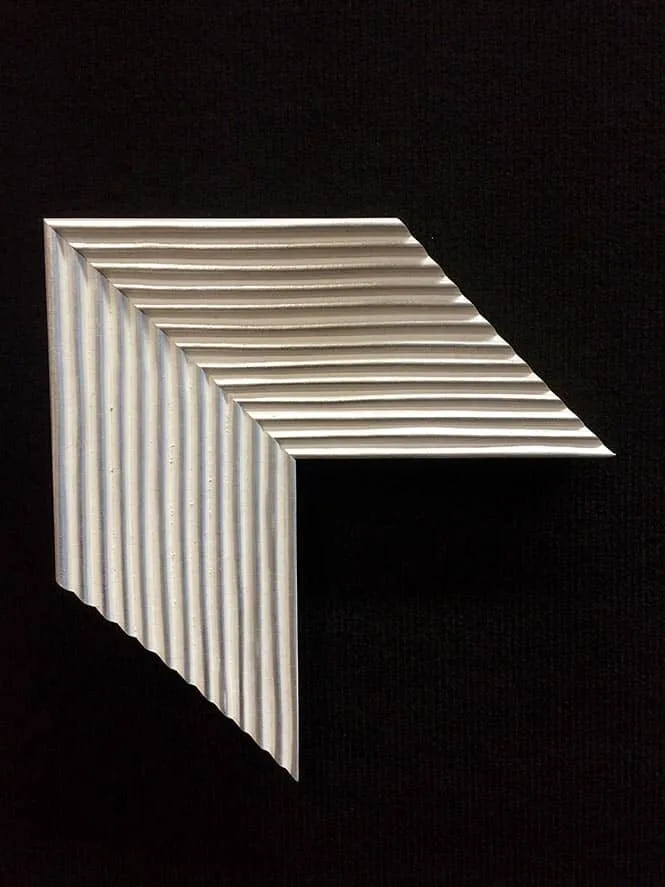
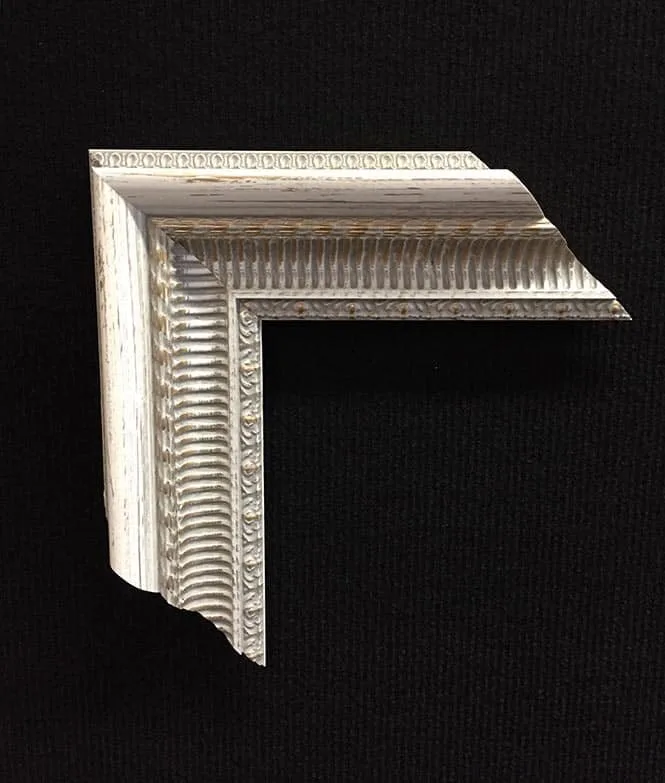
A selection from our range of mouldings — gilded, silvered, plain, profiled or carved — and from our mount colour charts, all on show at the Howald showroom.
Your bespoke framing, made by the Bradtke specialists in Luxembourg
Visit our showroom in Howald to see our range of mouldings and glasses, or simply request a quotation.